{ meditation · trauma-sensitive · Berlin and online }
For me, learning to meditate means finding a practice with personal support that suits your nervous system and your everyday life – gentle, trauma-sensitive and body-oriented. In my practice in Berlin or online via video, with or without prior experience.
15 min. · 100% free · via Zoom or phone · with me personally
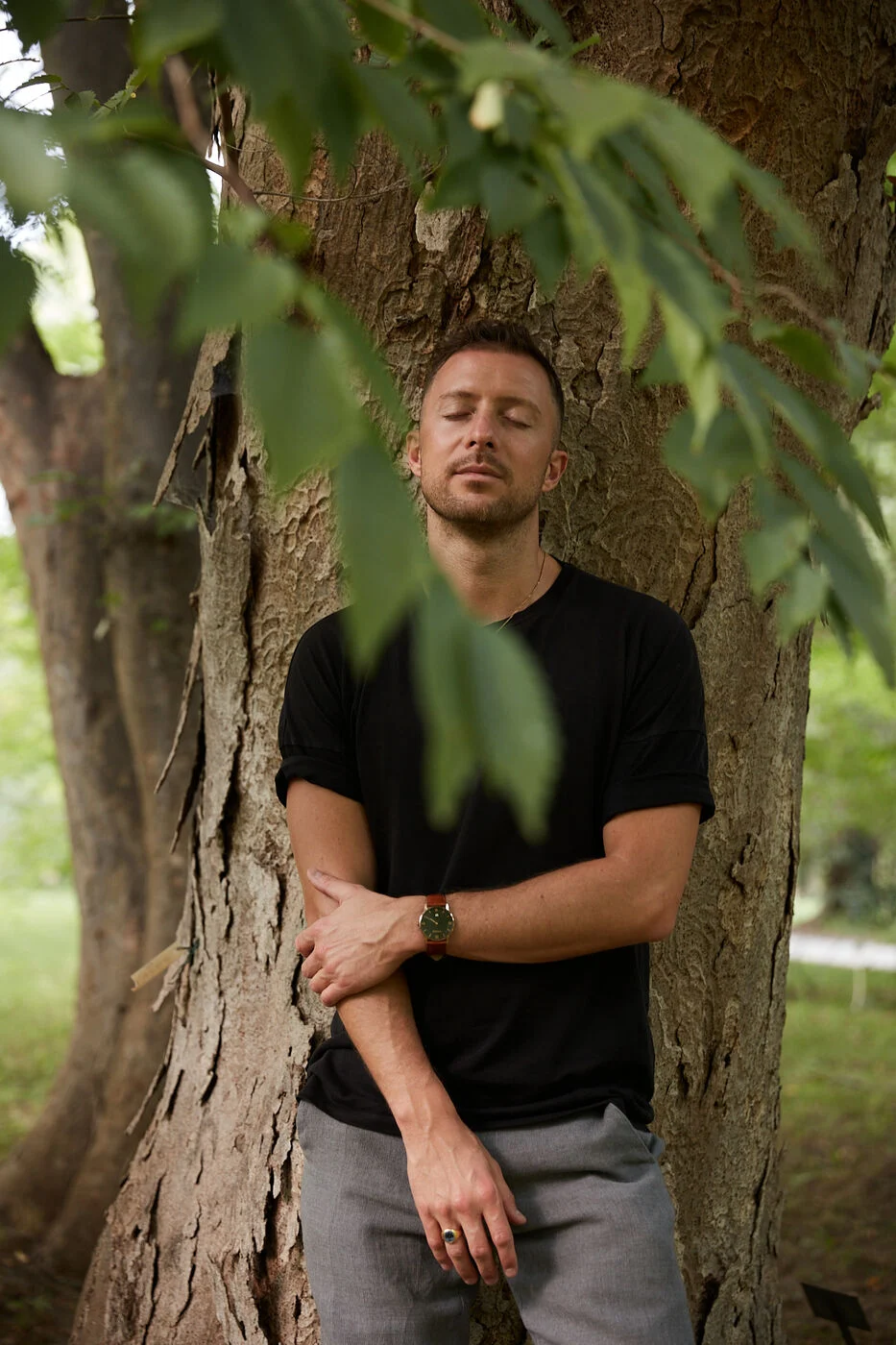
Everyday life is loud. Thoughts keep circling, the body is often wired. To-dos, demands, wishes – as if life never comes to rest.
And yet there is a place within you that doesn’t move. An inner space of peace, presence and spaciousness in which you simply are – without having to achieve, improve or understand anything.
“Lose your mind
and come back to your senses.”
{ loosely after Fritz Perls }

Becoming still – in the midst of everyday life
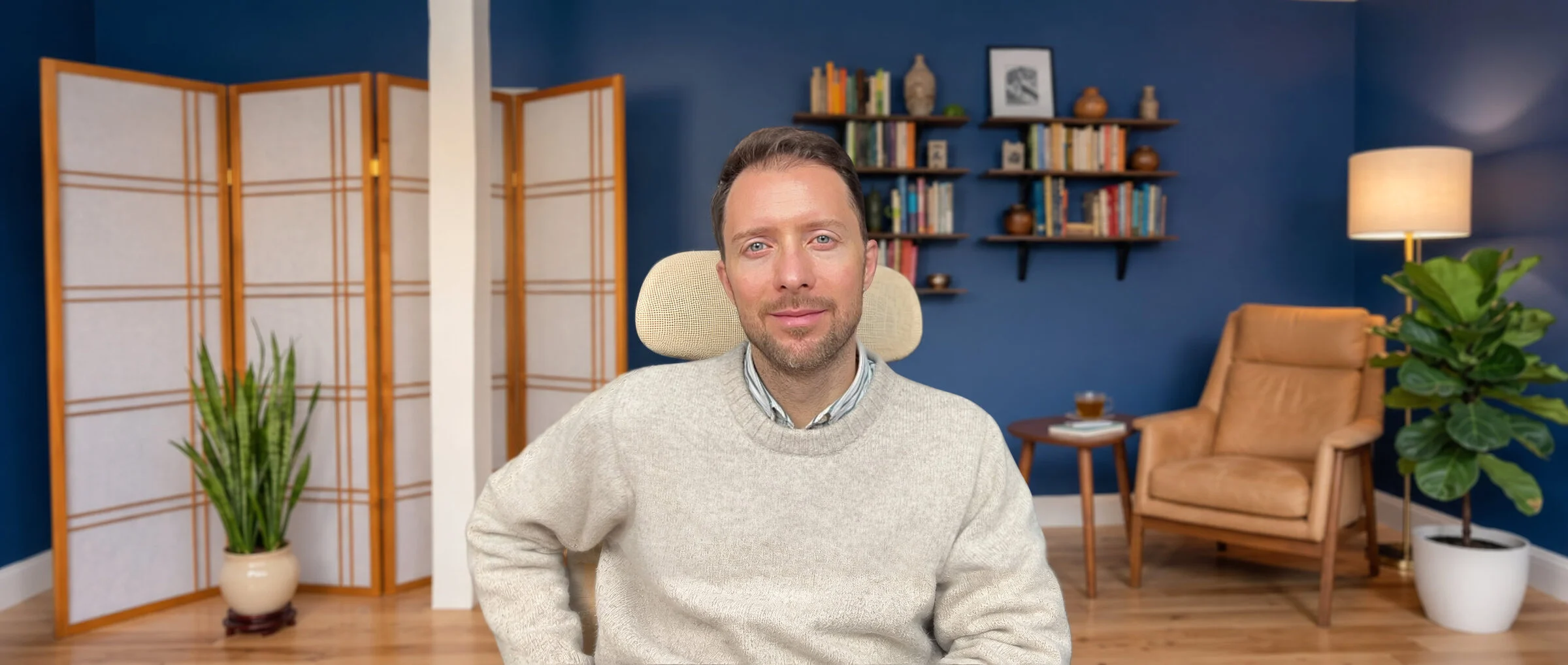
In this video I show you how ongoing feelings
of restlessness, being driven and stress
can transform into peace and love –
however stressful your life may be.
What learning to meditate is about
I accompany you on the path into stillness. Not through discipline or control – but through contact: with your breath, your body, your inner friend. You can experience how to …
- gently guide your attention from the outside inward
- discover the space between your thoughts
- allow yourself to withdraw from everyday noise
- give your nervous system a sense of safety
- feel at home in yourself again
You are welcome to find out more in a free initial call.


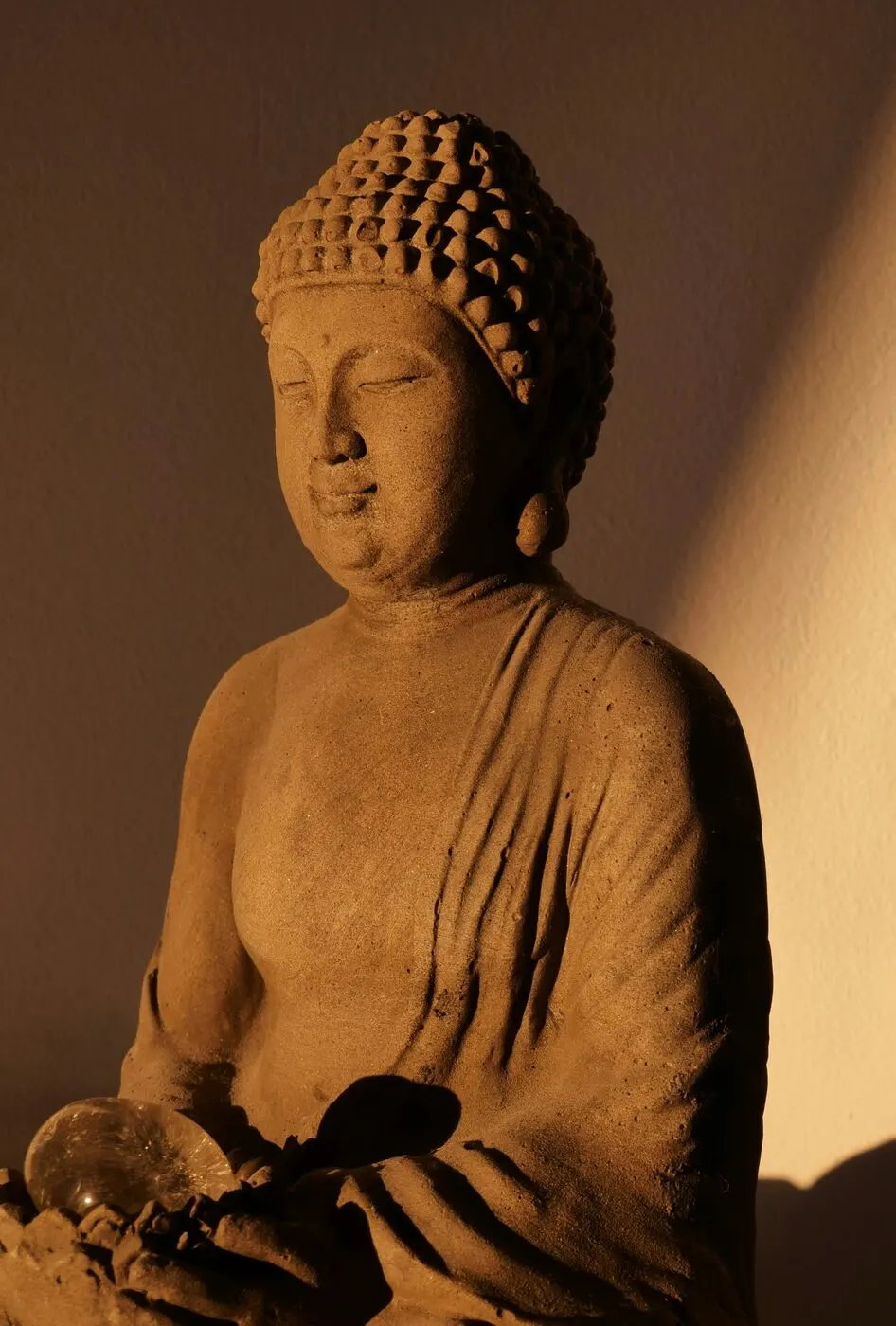
Meditation as reconnection
Many people have learned that they “first have to become calm” in order to meditate. I see it differently. In my eyes, meditation is a steady path of acceptance – not of control.
We invite everything that is there: restlessness, doubt, sadness, anger. And you learn to hold yourself within it. Gently and clearly – like an inner spiritual friend who says: I’ll stay with you. No matter what you feel.


{ my attitude in meditation }
Trauma-sensitive, nervous-system-friendly
and body-oriented
Trauma-sensitive
Stillness can bring calm. But it can also bring feelings, memories or issues to the surface that have had no place for a long time.
You determine the pace and depth. Nothing is a must, everything is allowed – including a pause. Whatever comes up is allowed to be there and is given space.
Nervous-system-friendly
Safety first, then depth. We pay attention to what your nervous system can hold right now – at your pace, with eyes open or closed, so that it never becomes too much.
In this way, smaller personal processes can also arise. They are not a detour, but often exactly the moment when something within you settles into place and the stillness can deepen.
Body-oriented
Your body is the anchor in the here and now – and often the quietest path into stillness. With breath, movement and contact with the ground, we look at whatever comes up: not analytically, but in a quieter exploration. How does it feel in the body? What does it need right now?
In doing so, we keep in mind what you are really looking for – more contact with yourself and more inner peace.


What you can experience in meditation
- how to arrive in your body again – gently, present, alive
- how to deal with arising thoughts, feelings and bodily sensations
- how to develop an inner space that is free of judgment
- how to not “make” inner spaciousness and stillness, but find them
- how to bring awareness into everyday life – not as an escape, but as a return
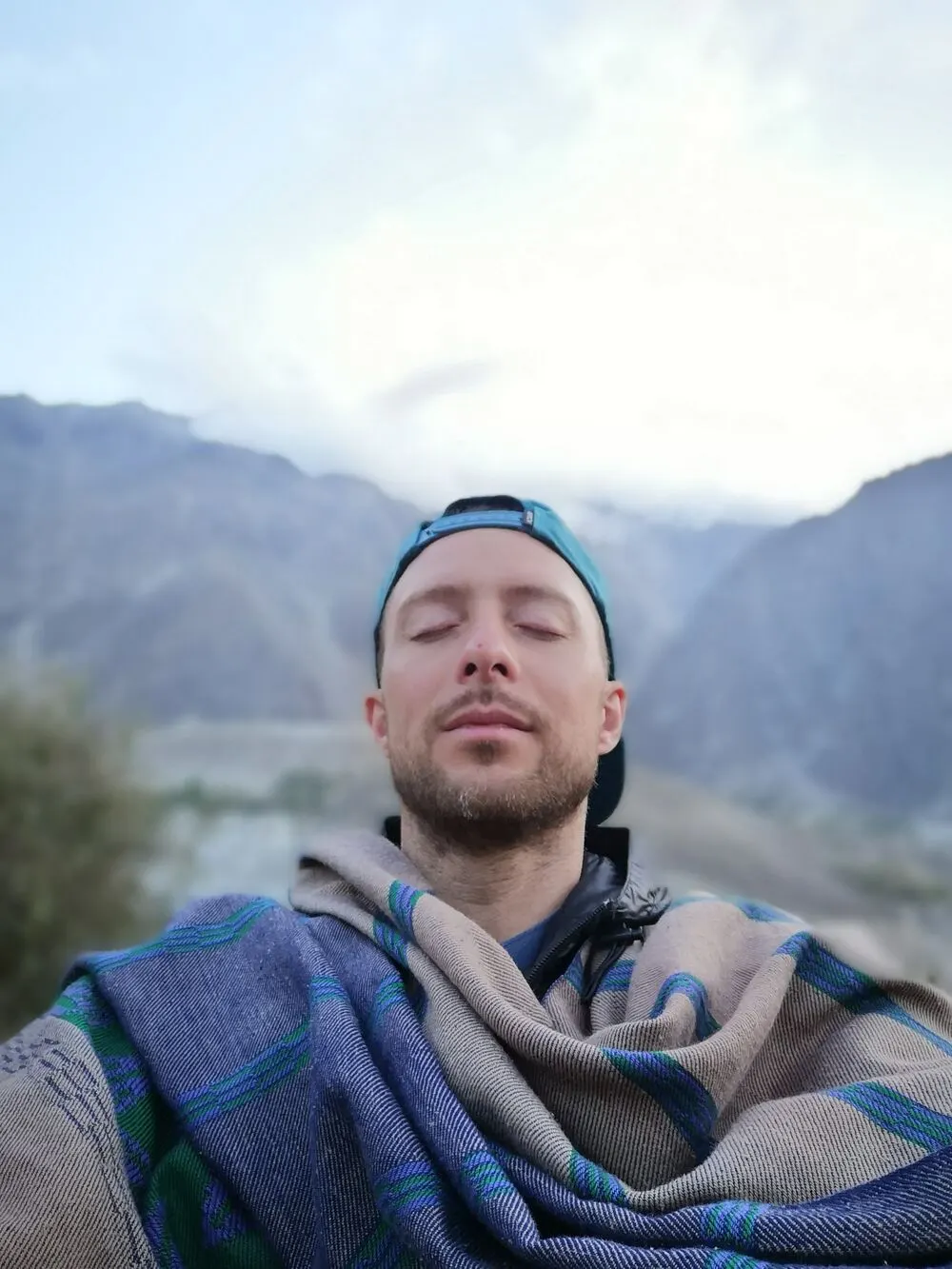
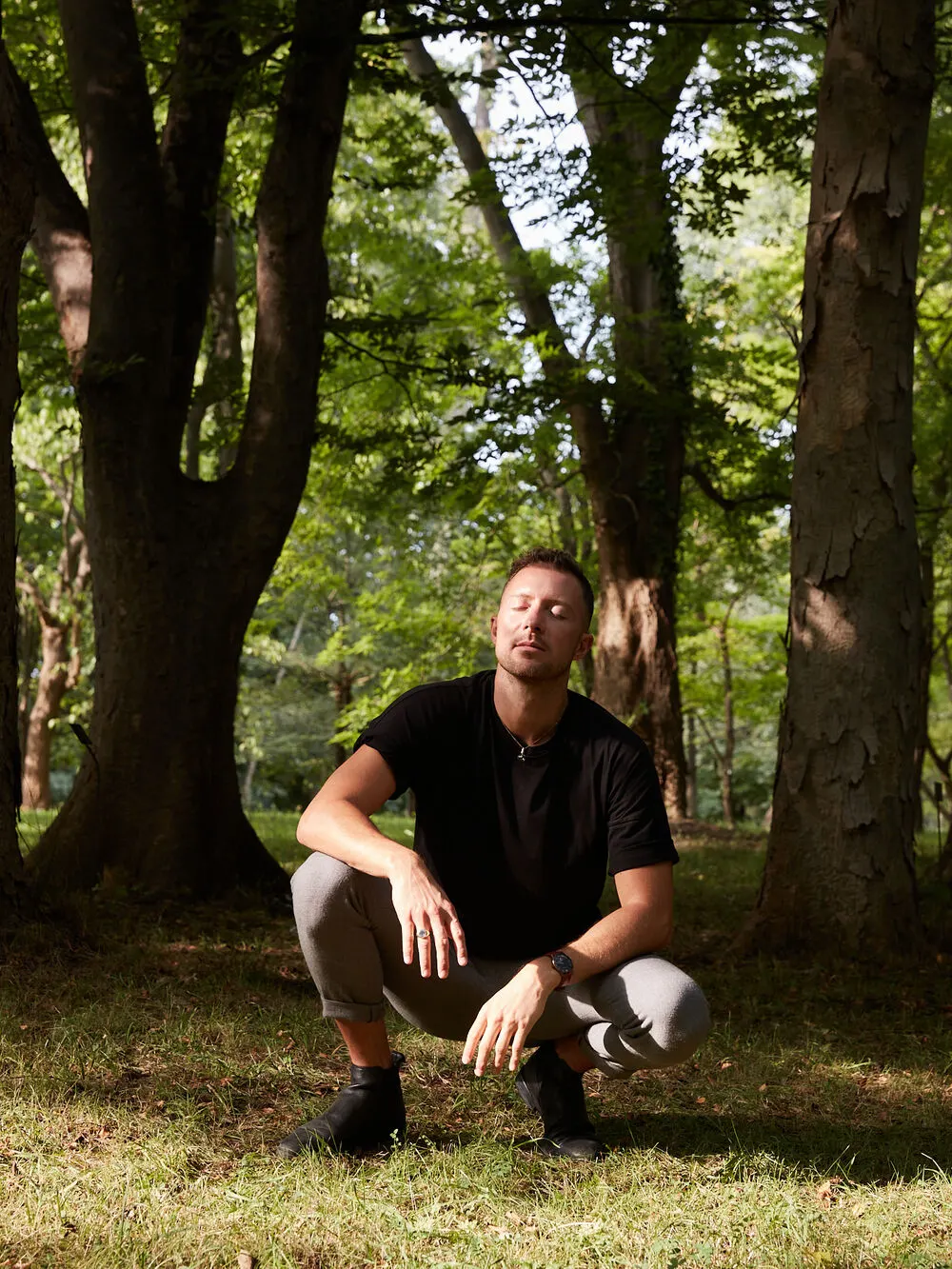
This way of meditating is rooted in the Advaita Vedanta tradition, the teaching of oneness –
and in modern trauma-sensitive support. You don’t have to follow any spiritual path for it.
Meditation is not a technique that you have to do “right”.
It is a return – an invitation to come back into contact
with yourself, just as you are.
{ roots and companions }
What has shaped my path of meditation
and non-duality
Many wisdom traditions assume that in every human being there is an essential core that is whole and unharmed – no matter what we have experienced. In meditation, we come back into contact with this core, and the life force that some call prana, chi or breath of life can flow more freely again.
On this path I have been shaped by teachers of Advaita and nonduality: Ramana Maharshi, Nisargadatta Maharaj and Krishna Menon, and in my own time Rupert Spira, Eckhart Tolle, Gangaji, Eli Jaxon-Bear and Christian Mayer. From them I learned that stillness doesn’t have to be created. It is already there – beneath everything that moves.
And I know this stillness from my own experience. I have been meditating since around 2000, spent some time in an ashram in India in 2011, and to this day I experience how still it becomes within me when I stop wanting to achieve something. I accompany you from this experience and from my trauma-sensitive work. You can find more about this approach under consciousness work.
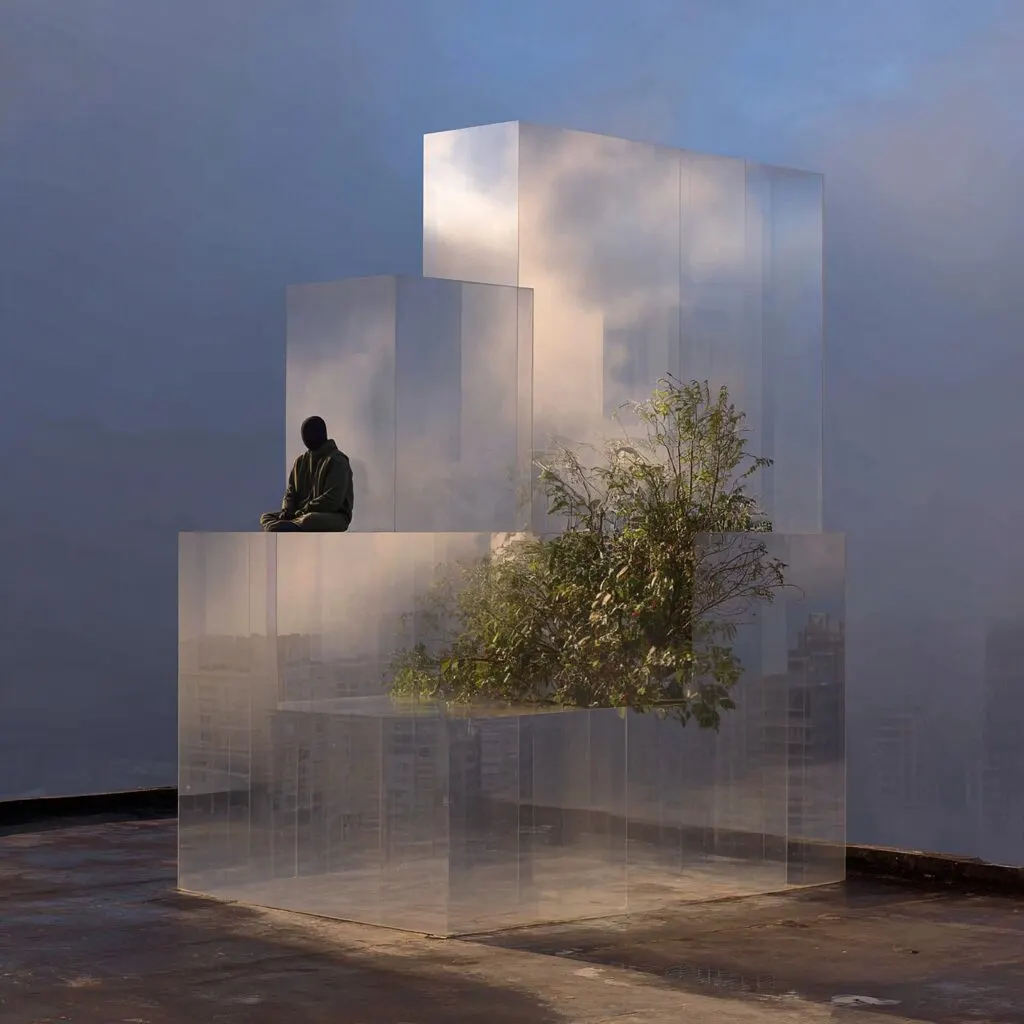
Meditation is the path
and not the goal.
If you feel that you long to become still inside – and yet don’t know how: then I’ll gladly accompany you there. The first step is a free introductory call.
15 min. · 100% free · via Zoom or phone · with me personally
Frequently asked questions about learning to meditate
How can I learn to meditate?
Most easily with a few minutes a day and guidance that suits you. You gently direct your attention to your breath or your body, notice when thoughts pull you away, and kindly return – without judging yourself for it.
With personal support, we also look at what is happening within you while you practice. This turns a technique into a practice that truly carries you.
Do I need prior experience to learn to meditate?
No. You can start without any prior experience. Even if you already meditate and feel stuck or feel you’re doing it “wrong”, you are welcome.
We start where you are right now and find a form that suits you.
How is this different from a meditation app or a course?
You receive personal support. In an app you listen to instructions; in meditation coaching we look together at what is happening within you while you practice: where you tense up, where thoughts pull you away, where stillness feels threatening or unfamiliar.
This creates a practice that isn’t based on discipline, but on contact with yourself.
What does trauma-sensitive meditation mean?
Trauma-sensitive means: safety comes before depth. You determine the pace and depth, can keep your eyes open, move or take a break. We pay attention to what your nervous system can hold right now and use the body and contact with the ground as an anchor.
In this way, stillness can become a place where you feel safe – instead of a space where everything comes up at once.
What if restlessness or difficult feelings come up while meditating?
That’s allowed and part of it. Restlessness, doubt, sadness or anger are not signs that you’re doing something wrong. Whatever comes up is given space, and we look at it together in a quieter exploration.
Sometimes smaller personal processes arise from this. If stillness is overwhelming right now, we continue working with eyes open, with movement or with the breath.
How much time should I set aside for meditating each day?
To begin with, a few minutes a day are enough. Regularity is more important than length: five calm minutes every morning often carry you further than an hour on the weekend.
We’ll find out together how your practice fits into your everyday life.
Which tradition is this way of meditating rooted in?
In the Advaita Vedanta tradition, the teaching of oneness, combined with modern trauma-sensitive support. I have been shaped by, among others, Ramana Maharshi, Nisargadatta Maharaj, Rupert Spira and Eckhart Tolle. I have been meditating myself since around 2000 and spent some time in an ashram in India in 2011.
You don’t have to follow any spiritual path or believe in anything in particular for it.
Can meditation help with stress, anxiety or trauma?
Meditation can help you calm your nervous system and arrive more fully in yourself again. With strong anxiety or the after-effects of trauma, however, stillness can also intensify old feelings; that’s why I accompany you carefully and adapt the exercises to you.
If you are in an acute crisis or under psychiatric treatment, please discuss this beforehand with your doctor and with me.
Does the meditation coaching take place in Berlin or online?
Both are possible. We can meet in my practice in Berlin, between Mitte and Prenzlauer Berg, or meditate online via video, in German or English.
What’s nice about online sessions is that you practice right where you will later meditate on your own.
How do I get started and how long does a session last?
You start with a free introductory call (15 minutes, via Zoom or phone), in which we clarify what you are hoping for. After that, a session lasts 50 or 90 minutes; we agree on the right length together.
How many sessions make sense depends on whether you want to build up your own practice or deepen it. We agree on the setting together in the introductory call.